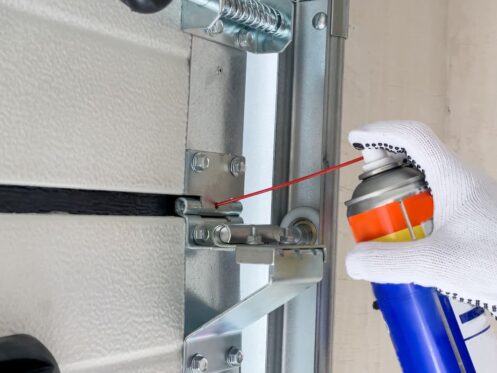
Maintaining a home involves a never-ending list of small tasks, but few are as satisfying or as impactful as quieting a noisy garage door. For many homeowners across Maryland, Virginia, Colorado, and beyond, the garage door serves as the primary entrance to the home, yet it often only receives attention when it begins to complain with high-pitched squeaks or grinding metal sounds. At Door Pro America Inc., we believe that a well-maintained door is the foundation of a safe and functional home exterior. While many homeowners look for ways to handle this themselves, a comprehensive lubrication and safety inspection is a technical process best handled during a professional maintenance check to ensure the long-term health of your system.
Why Professional Lubrication Matters for Longevity
A standard residential garage door is a complex piece of machinery that relies on heavy-duty springs, steel rollers, and intricate hinges to lift hundreds of pounds several times a day. Because these components are constantly moving against one another, friction is the natural enemy of your door’s longevity. When parts aren’t properly lubricated, that friction generates heat and wear, eventually leading to metal fatigue or snapped cables.
Beyond just the mechanical health of the system, regular professional maintenance significantly boosts your home’s daily comfort. A squeaking door isn’t just an annoyance for you; it can wake up sleeping children or disturb neighbors early in the morning. By scheduling a service call every six months for a technician to apply the right industrial-grade products, you ensure that your door operates with the quiet, smooth precision it had the day it was installed. This proactive approach also allows a trained expert to inspect the hardware for loose bolts or frayed cables, catching minor issues before they turn into expensive emergency service calls.
Can You Use WD-40 on Garage Door Rollers?
This is perhaps the most common question we encounter at Door Pro America Inc., and the answer often surprises homeowners. While most people reach for the iconic blue and yellow can as soon as they hear a squeak, you should generally avoid using standard WD-40 Multi-Use Product as a long-term lubricant for your garage door rollers.
The reason lies in the chemistry of the product itself. Traditional WD-40 is primarily a solvent and a degreaser, not a heavy-duty lubricant. During a professional maintenance visit, our technicians swap out these household fixes for high-viscosity lubricants designed to stay in place under high pressure and varying temperatures. Using the wrong solvent can actually strip away any high-quality grease that was already there, leaving your door in a more vulnerable state than when you started.
How Our Technicians Select the Best Lubricants (Lithium vs. Silicone)
When our team performs a maintenance check, we use specific products engineered to withstand the unique environment of a garage, which can be subject to extreme cold in Illinois or high humidity in Virginia.
Silicone Spray
Silicone is an excellent choice because it acts as a powerful water repellent and does not attract dust or dirt as easily as oil-based products. Our technicians use professional-grade silicone to reach into the small bearings of a roller or the tight coils of a torsion spring
White Lithium Grease
White lithium grease is a thicker, “stay-put” lubricant. This is used by our experts for metal-on-metal contact points, such as the hinges or the screw drive of certain openers. Because it is thicker, it provides a bit more of a cushion against vibration.
What Happens During a Professional Maintenance Lubrication?
When a Door Pro America Inc. technician arrives for a maintenance check, they follow a rigorous process to ensure every moving part is treated correctly:
- Safety First: The technician ensures the garage door is fully closed and the power to the opener is disconnected. This is a vital safety step to ensure the door doesn’t move unexpectedly while fingers are near the moving parts.
- Clean the Hardware: We use professional-grade cleaners to wipe down all the moving parts. If there is a significant buildup of old, hardened grease or hair and dust, the new lubricant won’t be able to reach the metal surface effectively.
- Apply to Hinges: Expert focus is placed on the pivot points where the door panels bend. A precise application of silicone on these joints keeps the panels moving fluidly.
- Lubricate the Rollers: Technicians identify the type of roller you have. If you have nylon rollers with exposed bearings, we aim to lubricate right into the center. If you have sealed bearings, they don’t require lubrication.
- Treat the Springs: Whether you have a single torsion spring above the door or extension springs on the sides, they need a light coating. Because springs are under immense tension, we recommend that only professionals handle this area. A light layer of lubricant prevents friction and helps prevent the rust that often leads to spring failure.
- Check the Bearing Plates: These are located at either end of the torsion bar. A quick professional application here ensures the bar rotates without resistance.
Springs, Hinges, and Rollers: The Vital Trio
While every nut and bolt matters, the springs, hinges, and rollers are the “vital trio” of your garage door’s anatomy. At Door Pro America Inc., we emphasize that these components undergo the most stress. If a roller seizes up, it will slide along the track rather than rolling, which grinds down the metal and puts immense strain on the garage door opener motor. By having these three areas professionally lubricated, you aren’t just stopping a noise; you are protecting the structural integrity of your entire garage door system.
The “Don’ts”: Parts Our Technicians Keep Clear (Avoid the Tracks!)
One of the most common mistakes made during DIY attempts is applying grease or oil directly into the garage door tracks. It seems logical, the rollers move through the tracks, so the tracks should be slippery, right? In reality, this is counterproductive.
Garage door tracks should be kept clean and dry. During a maintenance visit, our technicians will clean your tracks rather than grease them. If grease is applied to the inside of the tracks, it will quickly become a magnet for dust and debris, creating an abrasive “sludge.” Additionally, our experts know to avoid lubricating the plastic gears inside your garage door opener unless the manufacturer’s manual specifically calls for it.
Squeaking Won’t Stop? The Importance of a Professional Tune-Up
While basic care is helpful, a maintenance check is much more than just a quick spray of lubricant. If your door still makes a grinding, banging, or scraping sound after basic attention, there may be a deeper structural problem at play. Worn-out bearings, misaligned tracks, or an imbalanced spring system can all cause noise that no amount of spray will fix.
Operating a garage door that is out of balance or has failing components is a safety risk. As “America’s Trusted Garage Door Experts,” we recommend a professional tune-up at least once a year. During a professional service visit, our technicians do more than just lubricate; we perform a safety reversal test, check the tension of your springs, tighten all hardware, and ensure the door is perfectly balanced. This not only keeps the door quiet but ensures it remains safe for your family and pets.
If you are looking to upgrade your home’s look entirely, remember that Door Pro America Inc. specializes in new garage door sales. A new, modern door with insulated panels and high-quality rollers can completely transform your home’s curb appeal and provide the whisper-quiet operation you’ve been looking for.
Contact Door Pro America Today
Are you ready to schedule your annual maintenance check and ensure your door is operating at peak performance? We are here to provide the reliable, high-quality service you deserve. Our team is committed to your satisfaction and the safety of your home.
Contact Door Pro America Inc. for a Professional Tune-Up or a New Door Estimate!
Photo Credit: Natali _ Mis