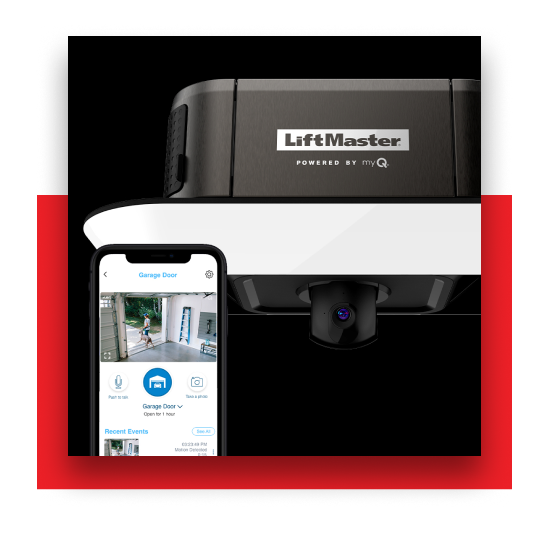
Garage door openers are one of those home systems most people don’t think about until something goes wrong. One day, the door starts hesitating, making strange noises, or refusing to open at all – and suddenly the question comes up: how long do garage door openers last?

The short answer is reassuring. Most garage door openers are built to last for years. The longer answer depends on how the opener is used, how well it’s maintained, and whether it still meets today’s safety and convenience standards. Let’s break it all down so you know what to expect – and when it might be time for an upgrade.

What Is the Average Garage Door Opener Lifespan?

For most homeowners, the typical garage door opener lifespan falls between 10 and 15 years. Some units last a bit longer with light use and consistent maintenance, while others may wear out sooner if they’re working harder every day.

Think of it like any other mechanical system in your home. An opener that lifts a heavy door multiple times a day, year after year, is naturally going to experience more wear than one used a few times each week. Technology also plays a role. Even if an older opener is still technically “working,” it may lack modern safety features or operate far less efficiently than newer models.

If you’ve lived in your home for over a decade and the opener has never been replaced, you’re likely nearing the point where performance issues become more common.

How Long Do Garage Door Motors Last?

The motor is the heart of your garage door opener, and its longevity is closely tied to the overall system. In many cases, the motor itself can last just as long as the opener – again, typically in that 10–15 year range.

However, motors don’t fail in isolation. They’re affected by the condition of the door, the springs, the tracks, and even the power supply. If the garage door isn’t properly balanced or the hardware is worn, the motor has to work harder than it should. Over time, that extra strain can shorten its life.

Different drive types can also influence motor longevity. Belt-drive openers tend to run more smoothly and quietly, which can reduce vibration-related wear. Chain-drive systems are durable but noisier, and that vibration can contribute to gradual motor fatigue if the system isn’t well-maintained.

Factors That Affect Your Garage Door Opener’s Lifespan

Several everyday factors quietly determine how long your opener will last.

  • Frequency of use: A household that uses the garage as the main entrance, opening and closing the door multiple times per day, will naturally put more miles on the system.
  • Door weight and condition: A heavy door or one with aging springs forces the opener to compensate, accelerating wear on the motor and internal gears.
  • Maintenance habits: Simple steps like lubricating moving parts, keeping tracks clean, and addressing small issues early can significantly extend the life of the opener.
  • Age and technology: Older openers weren’t designed with today’s safety standards or smart features in mind. Even if they still operate, they may be missing critical protections that newer systems provide.
  • Climate and environment: Extreme heat, freezing winters, or consistently high humidity can shorten an opener’s lifespan. Cold weather increases strain during startup, while heat and moisture can degrade electronics and metal components over time.
  • Installation quality: An opener that isn’t properly aligned, securely mounted, or matched to the door’s size and weight will work harder than it should, leading to premature wear even on high-quality systems.
  • Power reliability: Frequent outages, power surges, or inconsistent electrical supply can damage circuit boards and internal components, especially in areas prone to storms or aging electrical infrastructure.
  • Type of opener drive: Some drive systems naturally last longer depending on conditions. For example, belt-drive openers tend to experience less vibration-related wear than chain-driven models, especially in attached garages.
  • Overall garage conditions: Garages that collect excessive dust, debris, or moisture can expose the opener to contaminants that affect performance and longevity.

Signs It’s Time to Replace Your Garage Door Opener

Garage door openers rarely fail without warning. Most give off clear signals when they’re nearing the end of their useful life.

  • One of the most common signs is excessive noise. Grinding, rattling, or loud popping sounds often point to worn internal components or a struggling motor.
  • You may also notice slow or inconsistent operation. If the door hesitates, reverses unexpectedly, or doesn’t respond consistently to the remote, there’s usually more going on than a simple adjustment.
  • Another red flag is frequent repairs. When you find yourself fixing one issue after another, replacement often makes more sense than continuing to patch an aging system.
  • Finally, consider safety and convenience. Older openers may lack key features like photo-eye sensors, battery backup, rolling-code security, or smart controls.

At a certain point, upgrading isn’t just about reliability, it’s about peace of mind.

How to Extend Your Opener’s Lifespan with Maintenance

While no opener lasts forever, proper care can help you get the most out of the one you have.

  • Start with regular visual checks. Listen for changes in sound and watch how smoothly the door moves. Small changes often signal early wear.
  • Keep hardware properly lubricated, especially rollers, hinges, and springs. This reduces friction and minimizes strain on the opener.
  • Make sure the door stays balanced. If the door feels heavy when lifted manually, the springs may need adjustment. A balanced door allows the opener to work efficiently rather than overcompensating.
  • Lastly, schedule professional inspections from time to time. A trained technician can spot developing issues before they turn into expensive failures.

Why Upgrading Your Garage Door Opener Can Be a Smart Move

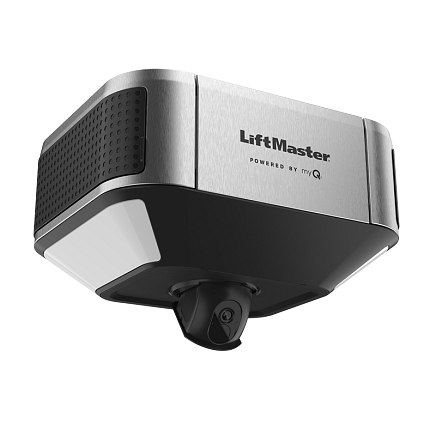
If your garage door opener is getting older or starting to feel unreliable, upgrading can solve more than just the immediate problem. Newer openers are simply easier to live with. They’re quieter, smoother, and designed to work more efficiently with today’s garage doors.

Safety is often the first major improvement. Modern openers include updated sensors, improved security features, and more reliable reversal systems. If your current opener is several years old, these upgrades can make a real difference – especially for households with kids, pets, or frequent comings and goings.

Performance is another area where homeowners tend to notice an upgrade right away. New openers put less strain on the door and operate with fewer vibrations and less noise. That smoother operation can help reduce wear on other parts of the system, which may mean fewer repairs over time.

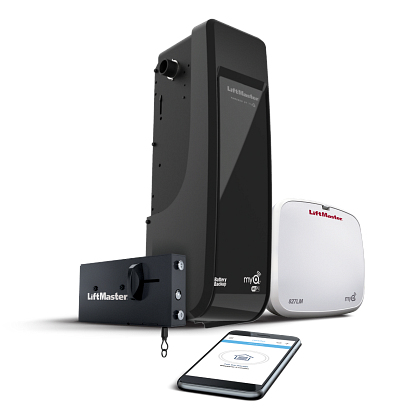
Convenience also plays a big role. Many newer models offer features like remote access, status alerts, or battery backup during power outages. Even without using every smart feature, having an opener that responds quickly and works consistently adds peace of mind to daily routines.

Finally, upgrading can support your home’s overall value. A dependable, modern opener pairs well with a quality garage door and signals that the home has been well cared for. For many homeowners, it’s one of those upgrades that quietly improves everyday life while also making practical sense in the long run.

FAQs

How long do garage openers last compared to the door itself?

Garage doors often last longer than openers. It’s common to replace the opener once or even twice during the life of a single door.

Can I replace just the motor instead of the whole opener?

In most cases, replacing the entire opener is more practical and cost-effective. New systems offer better performance, improved safety features, and updated technology.

Does garage door maintenance really make a difference?

Absolutely. Regular maintenance reduces strain on the motor and moving parts, helping the system operate smoothly for years longer than a neglected opener.

Are newer openers more reliable than older ones?

Yes. Modern openers are designed with improved materials, quieter operation, enhanced security, and better diagnostics, all of which contribute to longer-term reliability.

How long do garage openers last if used multiple times per day?

Heavy daily use can shorten lifespan slightly, but a high-quality opener with proper maintenance can still perform well for many years.

Time for an Upgrade? Schedule Your New Opener Installation

If your opener is approaching (or past) the 10–15 year mark, now is a smart time to evaluate its performance and safety. Upgrading can be a smart, simple way to enjoy quieter operation, better security, and modern convenience that fits today’s lifestyle.

At Door Pro America, we help homeowners choose and install the right opener for their home, usage habits, and budget. Whether your current system is showing signs of wear or you’re ready for an upgrade, our team is here to make the process simple and stress-free.

When your garage door works the way it should, it’s one less thing you have to think about – and that’s always worth it. For more information about our options for garage door openers, repair, and maintenance, contact Door Pro America today.

Photo Credit: Valeri Pavljuk

Meet the Author
Door Pro America
Door Pro America

company icon