A garage door does more than provide access to your home. It shapes your home’s appearance, adds style, and protects your property. When choosing between repair and replacement, consider factors like age, condition, performance, and visible damage. Small problems, such as a broken panel, worn springs, or a faulty opener, are often fixable. However, if the door has widespread damage, outdated parts, or poor energy efficiency, replacing it may be the better option.
Knowing the difference between repairing and replacing a garage door helps homeowners choose what works best for their home and budget.
Key Factors to Consider When Deciding
Deciding whether to repair or replace a garage door means weighing cost, how long it will last, and how it looks.
- Cost: Repairs generally involve lower initial expenditure, making them appealing for minor malfunctions. Addressing a broken spring or single panel can restore performance efficiently. However, recurring issues or frequent repairs can quickly add up, and at some point, a new door may offer greater financial sense over time.
- Extent of Damage: Inspect the door carefully to assess its condition. Minor damage, like a dented panel or a malfunctioning opener, is often manageable with repair. Doors with extensive structural issues, multiple broken panels, or warped sections may no longer perform reliably, making replacement a more practical approach.
- Age of the Door: Many garage doors have a lifespan of 15 to 20 years. Beyond this point, wear and tear can affect performance, aesthetics, and energy efficiency. Older doors may also lack modern safety features, making an upgrade both a functional and aesthetic improvement.
- Safety Concerns: Safety should be a top consideration. Malfunctioning springs, cables, or openers can pose risks to both people and property. Newer doors often feature advanced safety technologies, including pinch-resistant panels, auto-reverse mechanisms, and reinforced construction, which can provide added peace of mind.
- Energy Efficiency: Older garage doors may be poorly insulated, allowing heat or cool air to escape and raising energy bills. A replacement door with improved insulation can help regulate your home’s temperature, increase comfort, and even reduce utility costs over time.
- Additional Considerations: Beyond these primary factors, consider the door’s impact on curb appeal, potential warranty coverage, and the availability of financing for replacement. A visually appealing, reliable, and energy-efficient door can enhance your home’s overall value and enjoyment.
Evaluating these elements together can help homeowners determine whether repairing or replacing a garage door best meets their current needs while also supporting long-term performance, safety, and efficiency.
When Is Garage Door Repair the Smartest Choice?
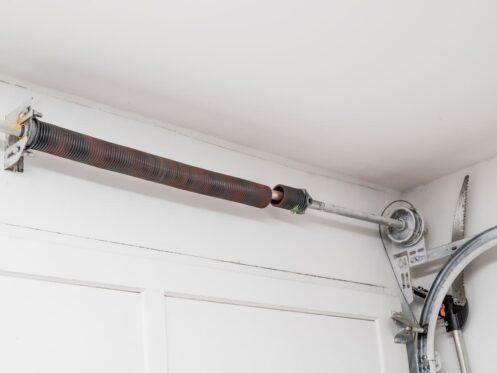
Repairing a garage door makes sense when the problems are small or limited to one area. For example, if just one panel is damaged by a bump, a ball, or bad weather, you can usually fix it without replacing the whole door. Worn or broken springs, which help the door move, can also be replaced to keep everything working smoothly and avoid extra stress on other parts.
Opener problems are another case where repairs work well. If your door is hard to lift, moves unevenly, or the remote doesn’t work, these issues can often be fixed with adjustments, motor repairs, or replacing parts. Fixing these problems quickly can bring back convenience and security without needing a whole new system.
Regular maintenance helps your garage door last longer and reduces the need for big repairs. Simple tasks like tightening hardware, oiling rollers and tracks, replacing weatherstripping, and checking the door’s balance keep it working well and stop small problems from getting worse. Taking care of your door also keeps it looking good.
By handling these repairs and maintenance tasks, homeowners can keep their doors working well, control costs, and put off replacing the door, all while staying safe and reliable.
Can a Damaged Garage Door Be Repaired? (Or Just a Single Panel?)
Often, you don’t need to replace the whole garage door if only part of it is damaged. Fixing just the damaged section can save money and make sense, especially if the rest of the door is still in good shape. For example, you can repair or swap out a dented, scratched, or bent panel to make the door look and work like new. If you can get the same model and color, replacing a panel is usually easy and blends in well.
Small cosmetic problems like dents, scratches, or faded paint can often be fixed with simple repairs. Straightening panels, touching up paint, or adding protective coatings can make your door look better and stay strong. Even these small fixes can help your door open and close smoothly and safely.
Fixing single panels keeps your door looking and working well, and it can help you avoid replacing the whole door. This is a good choice if you want to keep your garage door in shape without spending a lot.
Signs You Need a Full Garage Door Replacement
Repairs work for small problems, but sometimes replacing the whole garage door is the better choice. Age matters—a door over 15 years old may have worn-out parts, an old design, and poor energy efficiency. Getting a new door can improve insulation, lower your bills, and add modern safety features.
If your garage door has a lot of damage, like several dented or broken panels, rust, or structural issues, repairs can get expensive and may not work well. Water damage, warping, or sagging panels can also weaken the door and cause problems that repairs might not fix.
Safety is always important. If your door often breaks down, has broken springs, or the opener fails, it can be risky for your family. New garage doors have better safety features, like pinch-resistant panels, auto-reverse systems, and stronger locks, which help prevent accidents and keep your home secure.
Energy efficiency is important too. New doors usually have better insulation and tighter seals, which help keep your home comfortable and lower your energy bills. Plus, a new door can make your house look better and may even raise its value.
Thinking about things like age, structure, safety, and energy use can help you decide if replacing your garage door is the best long-term solution for your home.
Deciding on Garage Door Repair or Replacement
When deciding whether to repair or replace your garage door, look at all the parts, like the panels, springs, and opener. Even if the door is fine, an old or faulty opener can cause problems with how the door works and how safe it is. Sometimes, fixing the opener is enough, but if you keep having trouble, replacing the whole door might be better. Also think about the door’s age, condition, and energy efficiency. By looking at both the door and the opener, you can find the best option for your needs and budget. If you’re always fixing things, a new opener could save you money and improve your door’s performance and security.
Comparing the Costs: Garage Door Repair or Replacement
Repairing a garage door usually costs less at first. Fixing a damaged panel, replacing worn springs, or repairing the opener can get your door working again without buying a new one. If your door doesn’t need repairs often, fixing it is a good way to save money.
Getting a new garage door costs more upfront, but it can mean less maintenance later and other benefits. A new door can save energy, improve security, and make your home look better, which can make the cost worth it over time. If your current door is old or in bad shape, replacing it might be the smarter choice.
Thinking about long-term costs, possible savings, and extra benefits can help you see how each choice will affect your home and your budget.
Professional Advice Can Simplify Your Decision
Taking time to check your garage door helps it keep working well and looking good. Whether you choose repairs or a full replacement, making a careful decision keeps your home safe, efficient, and attractive.
If your garage door is fairly new and just has small problems, repairs can usually fix it. But if it’s old, often breaks down, or doesn’t have up-to-date safety and energy features, replacing it might be a better investment for the future.
Unsure about the best path forward? A professional assessment provides clarity, offering tailored solutions that align with your home’s architecture, performance needs, and long-term budget. It can reveal hidden issues before they escalate, ensuring your investment protects both functionality and style. Door Pro America provides expert evaluations and quotes to guide your decision on garage door repair and installation services.
It’s time to elevate your garage with a secure, stylish, and efficient entryway. Schedule a consultation today and enjoy a seamless, stress-free process that safeguards your home while enhancing its value for years to come.
Photo Credit: sophiecat